


This grape variety is stealing the spotlight from Malbec in Argentina, with growing appreciation from foreign markets. When aged in oak, it can deliver truly incredible results in terms of aromas and structure.
Argentine Bonarda, which becomes Il Bonarda when the grape is turned into wine – ever since I started working for this Argentine winery I have always wondered where it truly came from.
But where does this grape variety really come from? What are its origins?
For many years the provenance of this grape was debated without any reliable certainty, but recently it was discovered that the truth lies in France, in Savoy, and that its mother grape is none other than Douce Noir.
In fact, before this discovery it was believed that Argentine Bonarda derived from the Charbono grape, a variety found in Napa Valley, although, as was later recognized, Charbono is nothing other than Douce Noir. There had also been talk of Bonarda argentina as a descendant of Bonarda Piemontese, which created no small amount of confusion when research revealed that the original grape variety is in fact Douce Noir, native to Savoie in south-eastern France, which has another twin, Corbeau de Savoie (they are probably the same grape, but there are no official documents and much data has been lost over time).
Very little is known about how this grape variety was transported from one country to another and across an entire continent (more than one, in fact). Probably through migrants in the late 19th century, this grape was brought across the Atlantic and mistaken for other varieties, taking on names from local denominations or regions. Noteworthy is the Charbono grape, which appears to be a descendant of Corbeau de Savoie, which in turn seems to be the twin of Douce Noir. (DNA testing confirms this, but if anyone has more significant information please let me know in the comments.)
So, to summarize: Argentine Bonarda is none other than Corbeau de Savoie or Douce Noir, originating from the Savoie region. Naturally, the name, though not entirely accurate, has become synonymous with Argentine viticulture, which is gradually conquering international markets as well.

Why has Bonarda achieved and continued to enjoy growing success in Argentina?
Since its introduction to Mendoza, Argentine Bonarda quickly acclimatized to the terroir, yielding enormous harvests (it is a very vigorous vine), which was an advantage for the early viticulturists who were more concerned with quantity than quality. The first products were very poor organoleptically speaking: weak color, low alcohol content, and some herbal notes, nothing more. To give you some figures, in 1936 Bonarda vineyards covered approximately 6,000 hectares, while by 2001 this had already more than doubled to 12,000 hectares. More recently, Bonarda has surpassed Malbec as the most widely cultivated grape.
Techniques today have changed and evolved, and so has the wine and its quality.
Bonarda, when handled with appropriate techniques, can produce wines of astonishing importance.
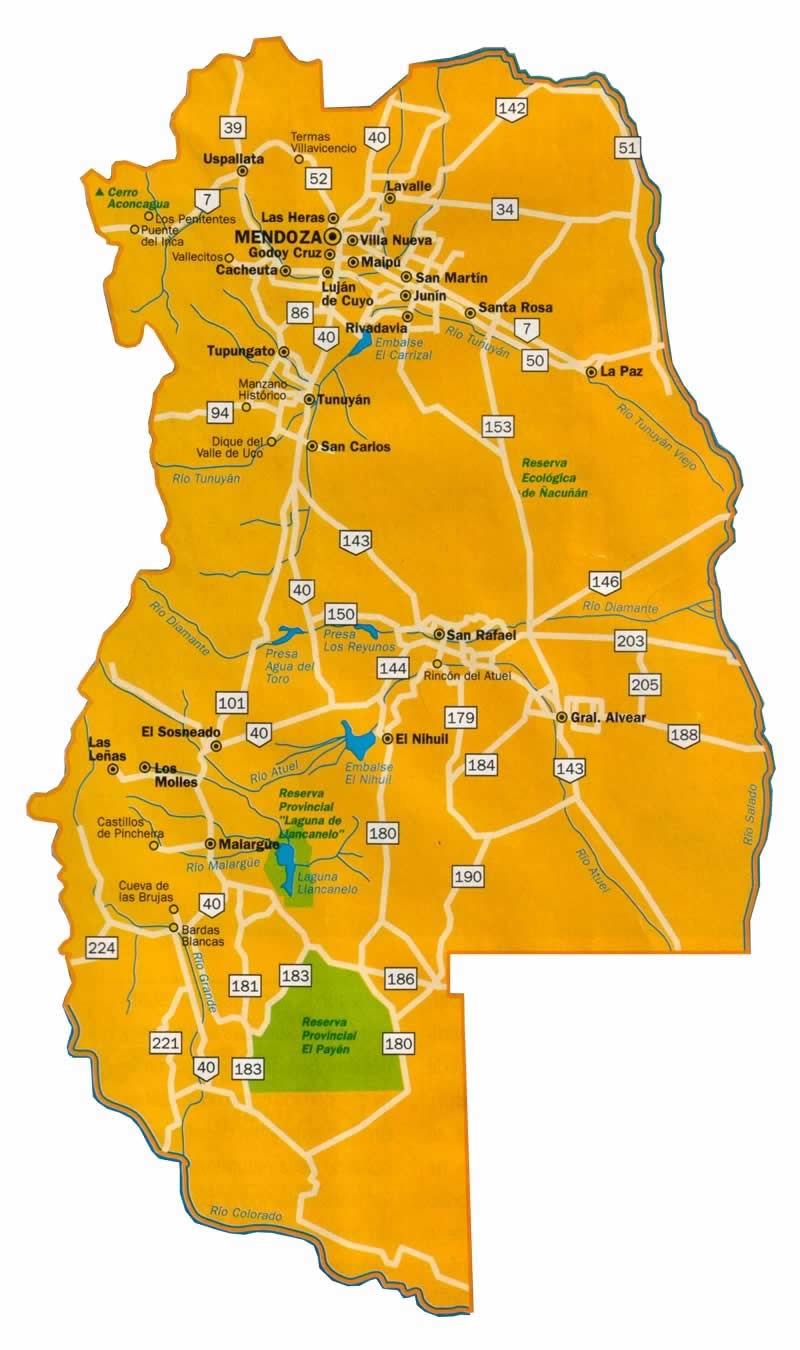
This grape requires warm climates, plenty of sun, low yields, and adequate ripening – factors present in Argentina's most important wine-growing regions. Recently, however, it has been discovered that in the district of San Rafael - Cuadro Benegas, this grape performs at its very best. This territory is situated between two rivers, the Diamante to the North and the Atuel to the South, which carry pure water from the glaciers located in the nearby Andes. This territory is gaining recognition for its distinctive climatic characteristics, which help produce wines of exceptional quality.
A small winery in the area, called Algodon, conducted research together with the Agronomia San Rafael laboratory, determining that the soil at Cuadro Benegas is optimal for growing Bonarda. It was reported that the soil contains significant quantities of calcium, magnesium, nitrogen, potassium, phosphorus, and zinc, with very well-balanced pH values.
A good Bonarda from San Rafael - Cuadro Benegas should have an intense ruby red color, with violet reflections that blend into purple. A beautiful, intense nose with red and black fruits – strawberries, forest berries, cherries, and blackcurrant. Spiced notes and aromas of vanilla and tobacco are often found when aged in oak barrels. A particularly interesting feature is the softness of its tannin which, combined with ripeness, makes it a wine truly to be savored.
I chose Algodon as the winery and example to showcase with Bonarda because, beyond having a working relationship with them (which helped me discover this wonderful wine), it was voted one of the best Bonardas at the 2014 World Association of Wine & Spirit Writers and Journalists: Top 100 Wines of the World, and received 90 Points from Robert Parker for the 2008 vintage.
The winery is located in the territory of Sierra Pintadas, a 20-minute drive from San Rafael, in the south of Mendoza. They have Malbec and Bonarda vines dating from 1946, and being situated right between the two rivers, they are fortunate to have perfect soil for red grape cultivation, with predominantly sandy and clay terrain. Their collaboration with the well-known winemaker Marcelo Pelleriti, who directs a winery called Montevejo less than an hour's drive from San Rafael, and who also works in Bordeaux as chief winemaker for the late Catherine Pere Verge – who passed away not long ago as the owner of Chateau La Violette, Chateau Le Gay, Chateau Montviel, La Gravier, and Bodega Montevejo – has been invaluable. Thanks to his expertise, applying the most modern techniques and French experience, the production of wines with an important French imprint but an Argentine heart could not be more perfect.
 Tasting the Algodon Bonarda 2010 was a very interesting experience: an intense ruby red with very faint traces of purple and garnet guides you toward the nose, which is very intense, with notes of blackcurrant, cherries, and a chocolatey note that carries through to the palate. A dense, well-structured, soft, and elegant tannin – almost fleshy. The fruit comes through a little later, giving way to dark chocolate toward the finish. Excellent ripeness, a bright and crystalline fruit. While I was tasting it – or perhaps better said, drinking it – I was dining on a lovely beef fillet cooked rare, grilled vegetables, and sweet potatoes. Dinner concluded, still with a fine glass of Bonarda, with assorted cheeses.
In conclusion, I can tell you that the in-depth discovery of this variety – with French origins, passing through California and landing in Mendoza – has opened a door to a deeper knowledge of Argentine wines and the history of Bonarda argentina, a grape that is achieving incredible popularity in the country while also making significant inroads abroad. The United States first and foremost. And with all due respect to the old Bonarda Piemontese.


What do you think?
Log in to leave a comment