


Wine in Gaza – it's possible.
After hearing the story of an Iranian man and how he secretly produced wine at home, hiding his vines among the shrubs and harvesting as quickly as possible to avoid being discovered, I found out that – after some research online – even in Yemen and the Gaza Strip, wine is produced, where it is illegal and one risks severe punishment even for being caught in possession of a miniature bottle of beer.

An amphora from the Iron Age found in Palestine, likely used for wine production.
Hamas took power in 2007 and banned both alcohol and wine production (which had previously been legal), pushing producers into "underground" activity. Isa – that is the name of a Christian producer living in Gaza – speaks in code with his friends when they want to meet for a glass of wine, and he never involves Muslim friends for fear that Hamas might find out.
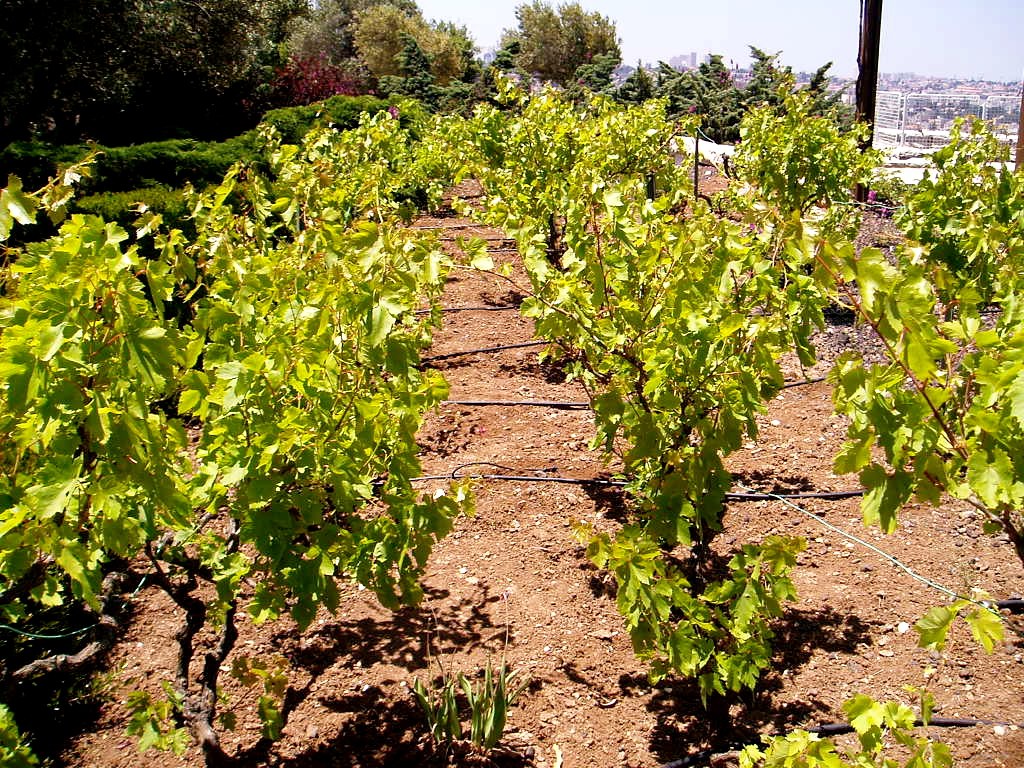
An example of a vineyard in Israel.
Production takes place at home and, although it is very dangerous, those who make it say that "I would rather continue to produce and drink alcohol than be confined by the group's rules, because wine is simply part of our life."
About 2,000 Christians live in the Gaza Strip and try to live according to their faith and traditions: Christian symbols to decorate their homes, organizing masses, celebrating important Christian events such as Christmas and Easter. Naturally, wine is present in every aspect of their lives.
The Production
Isa learned to make wine from his father, in Yemen, where alcohol is prohibited, before moving to Palestine after Hamas came to power. Just as his father taught him how to make wine, he teaches his son, who often helps him crush the grapes with his feet, just as he did as a child.

A glimpse of the harvest in Israel.
He buys grapes at the local market – likely imported from Israel – a few dozen kilos to produce 40 liters of wine. He prefers red wine, but unfortunately, since the best season for finding black grapes is in October, only white grapes are available in summer. Isa, with his helpers (his children), takes the grapes and after washing them squeezes them by hand, then takes a container called a "Gallon" and fills it with the grape juice, covers it with a blanket, and lets it ferment in the sun for 40 days. Around the twentieth day, however, he filters it to remove sediment and impurities. The result is a sweet wine, like a dessert wine, almost slightly sparkling. The wine is bottled in whatever containers are available, from fruit juice containers to foreign liquor bottles. I want to emphasize that it is produced through complete natural fermentation, though I wonder what it tastes like.
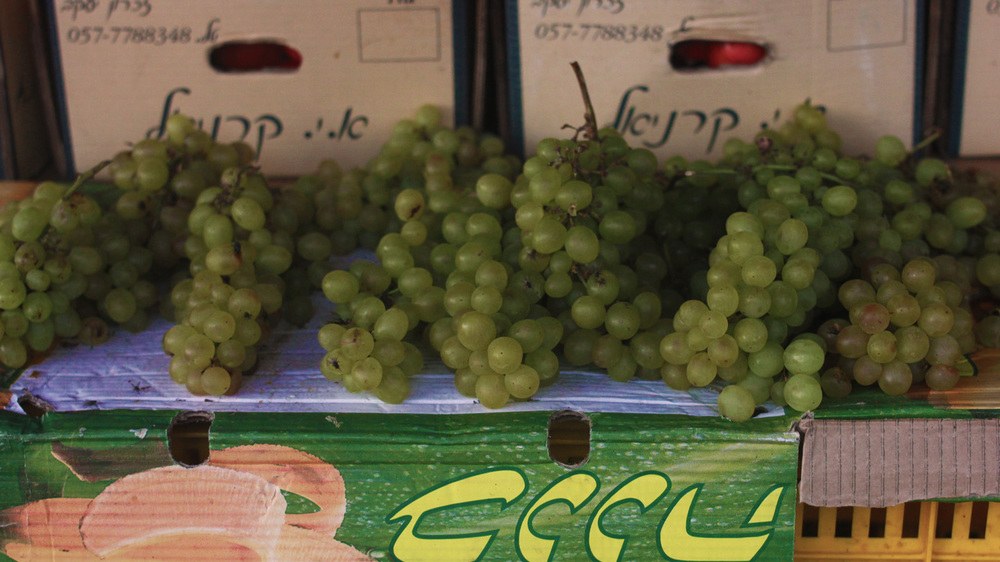
In summer, only white grapes are available at the market.
He himself says it is not the best way to make wine, but this is the method they were taught. Unfortunately, they must produce it in secret and drink it as soon as it is ready, for fear of being caught red-handed.
For them – the Christians living in those territories – keeping their traditions is important above all for living, for feeling alive. For Isa, drinking a glass of wine means "feeling free" – having a little freedom and feeling it run through one's veins in a country of restrictions, enjoying the pleasure it offers when sharing it with friends and family.
Even in a country in eternal conflict, the pleasure of wine – however unorthodox the production method – is the greatest antidepressant in the world.


What do you think?
Log in to leave a comment